 Collins Asphalt Crack Repair and Sealing
How Temperature, Rain, Sun, and Humidity Change Your Pavement Results
Weather conditions that affect asphalt sealcoating results include temperature, rain, humidity, wind, and direct sunlight. If it is too cold, too hot, or too wet, the coating may not dry or cure the right way. This can lead to peeling, tracking, or uneven color. Planning your project around the weather helps your driveway or parking lot last longer and look better.
Why Prevention Matters
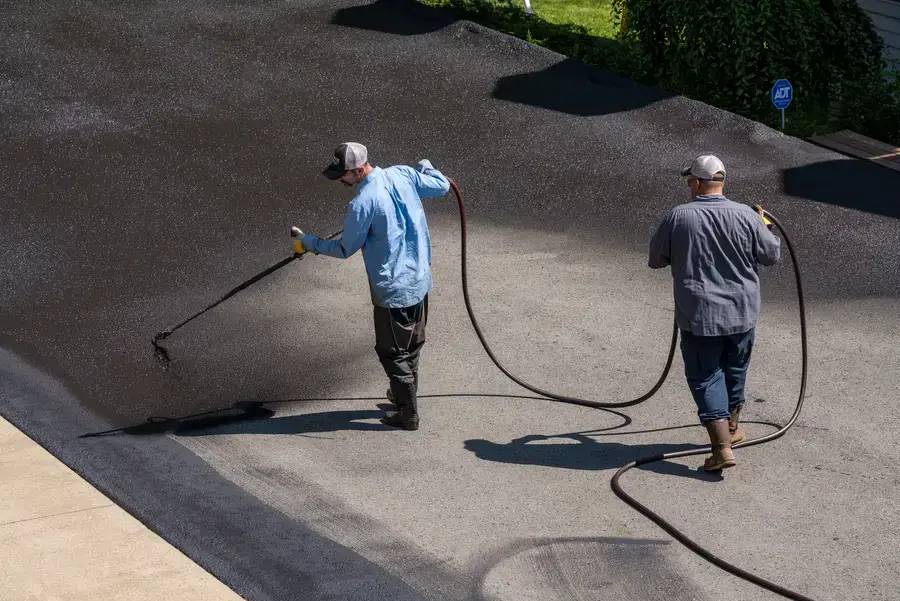
asphalt sealcoating protects pavement from water, sun damage, oil stains, and daily wear. The surface needs the right weather to bond and harden. If the weather shifts during curing, the protection layer can fail early. That means more repairs and more cost later.
Rain can wash away fresh sealer. Cold air can slow drying. High heat can cause the top layer to dry too fast while the bottom stays soft. Each of these issues weakens the surface.
Early Warning Signs of Weather Problems
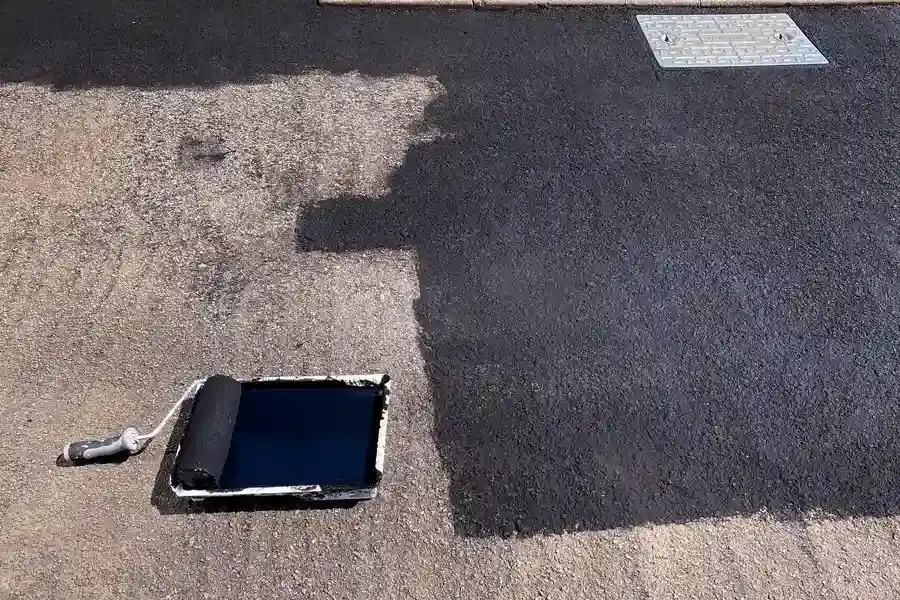
If weather affects your sealcoating job, you may notice problems within days. Watch for these signs:
- Tire marks that stay visible after 48 hours
- Peeling or flaking areas
- Light and dark color patches
- A strong odor that lingers too long
- Soft spots that feel sticky
These signs often point to poor curing conditions. Quick action can limit further damage.
Seasonal and Routine Weather Checklist
The best results happen when you apply sealer during mild, dry weather. Use this simple checklist before scheduling:
- Check that daytime temperatures stay above 50 degrees Fahrenheit for at least 24 to 48 hours.
- Confirm no rain is expected during application and drying.
- Avoid days with heavy dew in the morning.
- Plan for low humidity when possible.
- Allow full sun exposure unless the surface is at extreme heat levels.
Spring and early fall often offer steady temperatures. Summer can work well, but extreme heat may require early morning application. In many areas, late fall brings cold nights that slow curing.
Best Practices for Long-Term Results
Good planning leads to longer-lasting pavement protection. Start with a clean, dry surface. Remove oil spots and debris before sealing. Even perfect weather cannot fix poor surface prep.
Watch the pavement temperature, not just the air temperature. Blacktop absorbs heat and can become much hotter than the air. When the surface is too hot, the sealer may dry too quickly on top. This traps moisture under the coating.
Humidity also plays a role. High moisture in the air slows evaporation. That means longer cure times and a higher risk of tracking. Giving the area extra drying time helps prevent marks.
Wind can help in small amounts by speeding up drying. Strong wind, though, may blow dust and debris onto the wet surface. That leaves a rough finish.
Working with a trusted paving or service category keyword professional helps match the product to the climate. Some sealers perform better in cool weather, while others handle heat more evenly.
What Not to Do
Avoid sealing when rain is likely, even light showers. Water can dilute fresh material and wash it away. Do not apply asphalt sealcoating late in the day if temperatures will drop quickly overnight. Cold air slows curing and may cause surface failure.
Do not rush traffic back onto the pavement. Even if the top feels dry, the lower layers may still be soft. Cars turning their wheels can tear the surface.
Never apply sealer over damp pavement. Moisture blocks proper bonding. If the surface was pressure washed, allow it to dry fully before starting.
When to Schedule Professional Help
If the forecast is uncertain or weather shifts fast in your area, it may be best to call professionals. Large parking lots and commercial spaces need careful timing. A trained crew can monitor conditions and adjust as needed.
Professionals use tools to test surface temperature and moisture levels. They also understand how local climate patterns affect drying time. This is helpful in places where mornings are cool and afternoons are hot.
If your last sealcoating job failed due to weather, a professional can inspect the surface and recommend repairs before reapplying material.
Call for Trusted Pavement Guidance
If you are planning asphalt sealcoating in Raleigh, NC, timing your project around the right weather makes a big difference. Our team at Collins Asphalt Crack Repair and Sealing plans each job based on local forecasts and surface conditions. We work together to give your pavement the strong protection it needs. Call (252) 374-3550 to speak with us and schedule service that fits the season and your property.